
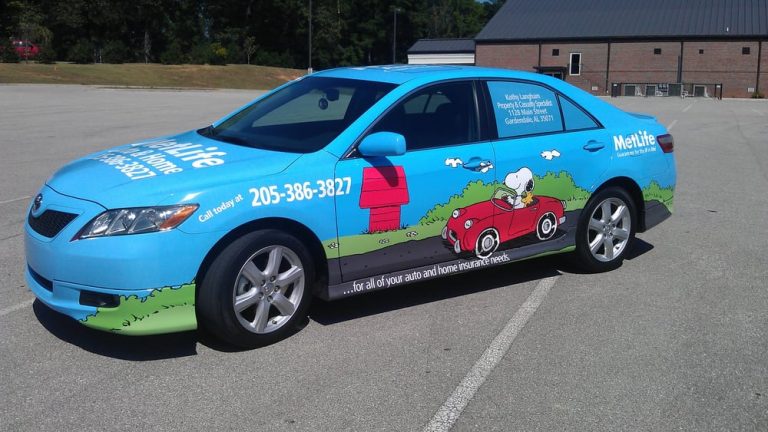
When upgrading your company vehicle’s appearance, two options probably come to mind: vehicle wraps and paint jobs. While both can improve the look of your fleet or work truck, they differ in their purposes and their long-term impacts on cost, durability, and brand visibility. For most companies, vehicle wraps are the smarter investment, especially if you’re interested in marketing your services while on the road.
In this guide, we compare vehicle wraps vs paint so you can make the best choice for your business. Let’s get started!
What’s the Main Difference Between Wrapping and Painting a Business Vehicle?
At its core, the debate over wrap vs paint for business vehicles comes down to permanence and flexibility. On the one hand, you have a vinyl wrap, a layer of high-quality vinyl applied over the original paint. On the other hand, you have a traditional paint job that involves multiple coats of color and a clear finish that permanently changes the car’s surface.
Unlike paint, wraps act more like a removable layer. They let you change your vehicle’s look by adding custom graphics, artistic designs, matte textures, and carbon finishes—all with minimal effort and without damaging the factory surface underneath. Still, paint remains the leading choice for people who want a permanent, single color that doesn’t need frequent updates.
For business owners looking to advertise with their vehicle, a custom car wrap provides much more branding power than even the highest-quality custom paint jobs.
Which Costs More: A Vehicle Wrap or a Paint Job?
Let’s be honest: for most businesses, price is usually the deciding factor between vinyl wraps and paint. Wraps also usually win on the cost comparison front.
A vinyl car wrap for a commercial vehicle generally costs $2,000-$4,000, depending on whether you go with a partial wrap or a whole-vehicle cover. A high-quality paint job, by contrast, can run you $3,000- $7,000+, especially if you want custom designs or multiple coats to protect against UV rays and environmental damage.
Paint also doesn’t automatically include branding. If you need logos or lettering, you’ll need vinyl decals layered on top of your paint job, which can increase the price even more. Wraps provide that fresh look and brand visibility all in one process, and for this reason, many business owners choose them over a paint job.
Which Lasts Longer: Wraps or Paint?
Durability is another deciding factor when choosing the method for making your vehicle a mobile marketing tool. Both options are tough, but they age differently.
A high-quality vinyl wrap lasts ~3–5 years in Alabama’s climate, sometimes up to seven years with premium materials and proper maintenance. Wraps protect against UV damage, road debris, and minor scratches, and when removed, they often leave the original paint looking like new.
A traditional paint job can last 5–10 years, but exposure to UV rays, fading, and chips from rocks or weather can diminish its appearance over time. Keeping that standard paint job in good shape will require wax, clear coats, and more upkeep as time passes.
For businesses, a wrap’s shorter but more flexible lifespan is often the ideal option since rebranding or updating your design won’t require repainting your entire fleet.
Are Wraps Better for Branding and Advertising?
Branding and advertising are where car wraps truly shine, no matter how new the paint job underneath is. Wraps transform your vehicle into a billboard on wheels. With custom car wraps, you can showcase logos, slogans, phone numbers, and services in intricate designs or bold colors that wraps provide with a quick turnaround. They make it impossible for other drivers on the road to miss your fleet.
Traditional paint can give you a polished finish, but it can’t match the custom graphics or artistic designs possible with vinyl wraps. In fact, paint is limited in displaying detailed designs and often requires decals layered on top. If you want to maximize brand visibility every time your truck or van leaves the lot, a commercial vehicle wrap vs paint isn’t really a debate. The wrap wins.
Will a Wrap Damage the Paint Underneath?
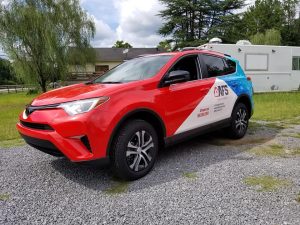
Wraps don’t damage the paint underneath them and can actually protect your vehicle’s original paint job. When installed by professionals, a high-quality wrap is like armor against UV rays, scratches, road debris, and even harsh chemicals from drive-thru car washes.
As long as the vehicle’s high-quality paint job is still in good condition before your vinyl wrap’s installation, it will be preserved underneath. When you finally remove your vinyl, the surface looks just as good, which helps maintain resale value compared to repainting.
Can You Wrap a Leased or Financed Vehicle?
Yes, you can wrap a leased or financed vehicle. It’s one of the best benefits of vinyl wraps. Most lease agreements prohibit car painting or custom paint jobs, but a vinyl wrap is considered temporary and fully removable. This adaptability means you can advertise your brand, then return the vehicle with its standard paint job intact.
For businesses that use leased trucks or personal vehicles for work, wraps are a budget-friendly, low-risk option.
When Should You Choose a Wrap Over Paint?
A wrap is likely the best choice for your commercial vehicle if:
- Your vehicle is for daily business activities
- You want to display logos, contact info, and services
- You plan to resell or return the vehicle later
- You need a fast turnaround or flexible branding
- You want to avoid downtime with a quick process
In short, wraps offer the most flexibility, minimal downtime, and branding you can’t miss.
When Might Paint Be the Better Option?
Having a slight bias on this topic is unavoidable, but we’re not afraid to admit that, sometimes, having a traditional paint job instead of a vinyl wrap on your company car just makes sense, such as:
- You’re customizing a vehicle for personal use rather than business
- You want a permanent commitment to a single-color finish with no branding
- The existing paint is severely damaged and requires total restoration
- You prefer the classic appearance of a high-quality paint job over vinyl aesthetics
Still, paint falls short for most companies focused on branding and cost-effectiveness.
Which Option Is Better for Business Fleets?
For business fleets, no matter the size, wraps almost always win because fleet managers can:
- Ensure a consistent branded look across cars, trucks, and vans
- Update information without repainting multiple vehicles
- Save money compared to the cost of painting a company truck
- Maintain a professional appearance that inspires customer trust
Whether you choose wraps for your whole vehicle or partial ones on key areas like doors and tailgates, wraps provide a scalable, repeatable way to boost your brand visibility across your fleet.
Get Expert Help to Pick the Right Option in Birmingham, AL
Are you still wondering, “Should I wrap or paint my car?” Sign Source in Birmingham is here to help! We’ve worked with small businesses and large fleets across Birmingham and Central Alabama to design and install custom vehicle wraps that balance quality, durability, and budget.
Our services include:
- Full and partial vehicle wraps
- Fleet graphics
- Custom decals and magnetic signs for removable branding
- Murals
- Banners and signs
Contact us today for a free consultation and let our team help you make the smart choice for your business!
FAQ: Wrap vs. Paint for Commercial Vehicles
How long does a vehicle wrap last in Alabama?
Most vehicle wraps in Alabama last 3–5 years, and premium vinyl can extend that lifespan to 7+ years with good care.
Is wrapping a car cheaper than painting it?
Yes, wrapping a car is cheaper than painting it, especially if branding is involved.
Can vinyl wraps be removed?
Yes, vinyl wraps can be removed. And when done professionally, it won’t harm the original paint.
Do wraps hold up in Alabama’s climate?
Yes, today’s engineering of highly durable vinyl wraps allows them to withstand UV rays, heat, and environmental damage, which makes them perfect for driving around in Alabama’s subtropical climate.